When Is the Best Time of Year to Install a Gate

Spring and fall are the easiest seasons for gate installation in Cedar Park, because the weather is mild and concrete cures evenly. Summer and winter work is still possible, with a few adjustments. The gate records at gate installation cedar park nap nanny show how this plays out around Cedar Park, TX.
Spring and Fall
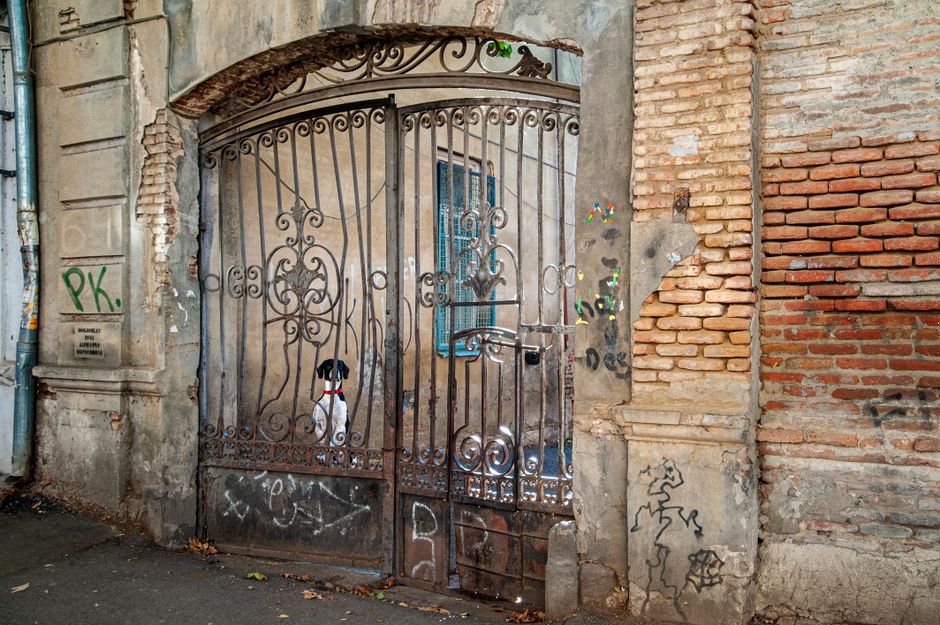
Mild days let concrete set slowly and evenly, which makes a stronger footing. The ground is also easier to work after a little moisture, though not after a soaking storm. Paint and powder coatings cure well in moderate air. These seasons book up first, so planning ahead helps.
Summer Heat

Long hot summers speed up concrete drying, and fast drying at the surface can cause cracks. Crews working in July or August often start early, shade the footings and dampen the concrete to keep the cure steady. Steel also grows with heat, so gaps at the latch are set with that expansion in mind. A gate adjusted at noon in full sun will behave differently from one adjusted at dawn.
- Start digging and pouring in the early morning.
- Cover fresh footings from direct sun.
- Set clearances while the steel is warm, not cold.
Winter and Hard Freezes
Winter here is usually mild, but occasional hard freezes happen. Concrete poured just before a freeze can be damaged while it is still soft. Installers watch the forecast and either wait or cover the footings with blankets. Cold also makes steel contract, so a gate that fits perfectly in a freeze may have a wider gap in summer.
Rain and Storm Season
Heavy rain turns the clay layer to mud and can flood open post holes. Work usually pauses when holes fill with water, because concrete poured into standing water is weaker. Storms bring hail and wind, which can also delay delivery and finishing. A fresh coating needs dry hours to cure, so crews wait for a clear window.
Why curing time matters most
The posts must cure before the leaf is hung. Cool, damp weather stretches that time, while hot dry weather shortens it but raises cracking risk. Either way, the gate stays off the posts until the concrete is ready.
Watching the Ground
After a long dry spell the clay shrinks and cracks, and after rain it swells. Installing right after a big swing in moisture can mean the ground moves again later. Many installers prefer to work when the soil is steady, then check alignment again after the first big weather change.
Pick the Window, Then Plan Around It
No season is perfect. The best approach is to choose mild weather when possible, protect the concrete from extremes and leave room in every measurement for the heat and cold the gate will see over the year.